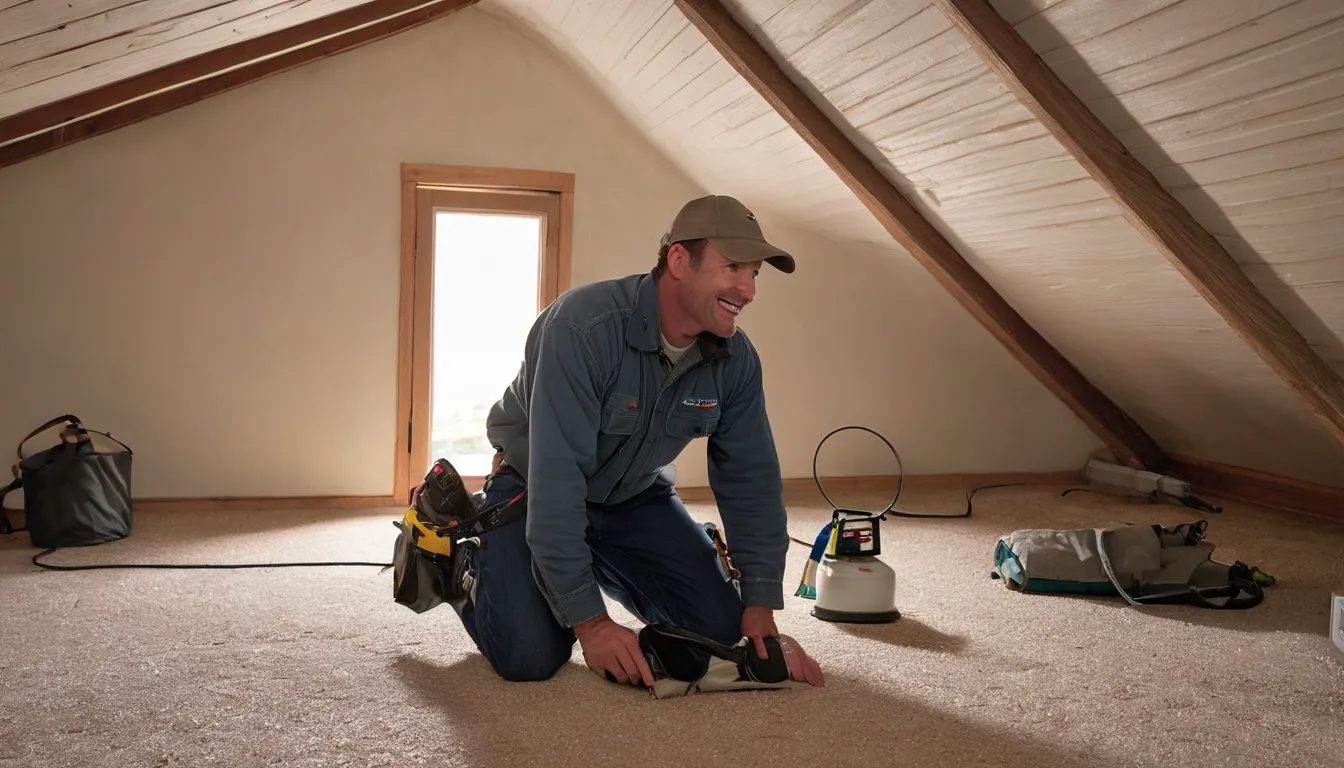
Rodent and Wildlife Removal for Concord Homes
Noises in the attic, droppings in the garage, or a hole in the siding all point to an animal moving in. It may be a mouse, a rat, a squirrel, or a raccoon. Each one needs a different plan.
Forwardjoseph Pest Control is a referral service. We do not trap or seal anything ourselves. We explain what usually happens, then connect you with an independent provider in our network. You see the options first. You decide what to do next. In older homes, we ask providers to take extra care, since worn wood, old repairs, and gaps can hide surprises.
Animals in the Attic or Walls? Start Here
First, stay calm. Most of the time, you have time to make a smart choice. Still, do not wait for weeks.
Here is the short version. A provider finds the animal, finds how it got in, removes it in a legal way, and closes the hole. Skip any step and the problem comes back.
Why Acting Early Matters
Rodents chew. Wires, pipes, and insulation all get damaged. A chewed wire can be a fire risk.
Mice and rats also breed fast. A few can turn into many in a short time.
Babies change the plan
In spring and early summer, wildlife may have young inside. Removing a parent can leave babies behind. Tell the provider if you hear tiny squeaks.
Signs to Watch For
Look and listen. You may notice:
- Scratching or running sounds at night
- Droppings that look like dark grains of rice or larger pellets
- Greasy rub marks along walls
- Chewed boxes, wires, or insulation
- A sharp, musky smell
- Holes near the roofline, vents, or foundation
Look before treating
Do not set poison on your own. A poisoned animal can die inside a wall. The smell can last for days. Pets and kids can also get hurt.
Common Animals Providers Handle
Mice and rats
Mice squeeze through gaps the size of a dime. Rats need a bit more room. Both love garages, attics, and crawl spaces.
Squirrels and roof rats
These climb well. They often enter along roof edges and tree limbs. They nest in attics.
Raccoons, opossums and skunks
These larger animals tear vents and dig under porches. They can be rough on a home. Let a provider handle them.
How Removal Usually Works
1. An inspection
The provider checks the attic, crawl space, roof, and outside walls. They look for entry points and signs of nesting.
2. A written plan
You should get a plan and a written quote. It should say what will be done and what is not included.
3. Removal
Methods vary. Some use one-way doors that let animals leave but not return. Others use traps. The right tool depends on the animal and the season.
4. Sealing and repair
Closing the entry holes matters most. Without it, new animals move in. Some providers also clean droppings and replace soiled insulation.
Humane Handling and Local Rules
Many animals are covered by state or local rules. Some cannot be moved or harmed during nesting season. Ask the provider how they follow local rules and handle animals with care.
Older Homes, Extra Care
Older houses have more ways in. Think of loose vents, gaps around old pipes, worn trim, and past repairs that did not hold.
Wood may be soft in spots. A provider should tread carefully in the attic. Ask them to point out weak areas they find, so you can plan repairs.
Stucco and slab homes
Stucco ranch homes often have gaps where pipes, vents, and rooflines meet the wall. Raised foundations add crawl space openings. Ask the provider to check both.
Choosing a Removal Provider
Ask a few simple questions:
- Do you inspect before quoting?
- Do you seal entry points?
- How do you handle babies and nesting season?
- What does the quote include?
- Is any follow-up visit part of the price?
Get it in writing. Compare more than one option if you can.
Insurance and Documentation
Some policies may cover sudden damage, but many do not cover damage from pests. Check your policy. Providers can often help document damage for a claim.
Keeping Animals Out
A few habits help a lot:
- Trim branches back from the roof
- Store pet food and birdseed in sealed bins
- Keep trash lids tight
- Cover vents with sturdy metal screens
- Seal gaps around pipes and wires
- Clear woodpiles and clutter from the house edge
Check after storms
Rain events and wind can loosen vents and flashing. A quick look after a storm can catch a new gap early.
Know Your Options
You do not have to guess. Share what you hear and see, and a provider can suggest a next step. There is no obligation to hire.
What's Included
Inspection of Entry Points
A provider checks the roof, vents, attic, and crawl space to find where animals get in.
Animal Removal
Traps or one-way doors are used, based on the animal and season.
Sealing and Repair
Holes get closed with sturdy materials so animals cannot easily return.
Cleanup Options
Some providers also clean droppings and replace soiled insulation. Ask what is included.
Typical Rodent and Wildlife Removal Costs
Prices vary by animal, home, and how much damage there is. These are typical U.S. ranges only. Ask each provider for a written quote that lists what is and is not included.
| Item | Typical range | Notes |
|---|---|---|
| Inspection | $75 – $300 | Some providers apply it to the job |
| Mouse or rat control | $150 – $600 | Depends on the number of visits |
| Squirrel removal | $300 – $800 | Nesting season can change the plan |
| Raccoon or opossum removal | $250 – $750 | Larger animals need stronger tools |
| Sealing entry points | $200 – $1,500 | Older homes may have more gaps |
| Dropping cleanup | $300 – $1,500 | Varies by area and amount |
How It Works
Tell Us What You Hear
Share the sounds, smells, or signs you see. Even a short note helps match you with the right provider.
Get Matched With A Provider
We connect you with an independent local provider who handles your type of animal.
Review The Written Quote
The provider inspects and explains the plan and price. Take your time to read it.
Choose Whether To Move Forward
If it feels right, you schedule the work. If not, you owe nothing to us.
Why Call Forwardjoseph Pest Control
Plain Steps Before Work
We explain what usually happens, so you know the next steps before anyone starts.
Local Providers
Providers in our network are independent and work in your area, with their own methods.
Older Home Focus
We note that aging materials and past repairs can hide surprises, and ask providers to take care.
No Obligation
Request an estimate and compare. You choose whether to hire anyone at all.
Other Services
Need rodent and wildlife removal in Concord?
- Independent providers in our network
- Clear next steps first
- No obligation
- Care for older homes
Rodent and Wildlife Removal FAQ
How do I know if I have mice, rats, or something larger?
Sound and droppings give clues. Light scampering and small droppings often mean mice. Heavy thumps or tearing at vents point to squirrels or raccoons. A provider can confirm after an inspection.
Can I just set traps myself?
You can for a few mice, but it often misses the entry holes. Wild animals may also be protected by local rules. Poison can cause smells and risks for pets. A provider can look for the cause.
Will removing the animal fix the problem?
Not alone. If the hole stays open, new animals can move in. Ask the provider to seal entry points and explain what the quote includes, including any follow-up visit.
Tell us what happened
Tell us what you are seeing at home. Send a request through the form, or Request a callback to check provider availability. There is no obligation to hire anyone.
No obligation